BAU’s Sports Facilities
Al-Balqa Applied University (BAU) recognises the importance of sports and physical activity in promoting health, well-being, social inclusion, and community engagement. The University supports cooperation with local sports clubs, schools, community organisations, and other institutions to encourage participation in sports and make effective use of its sports infrastructure for the benefit of the wider community. Through its Sports Activity Department and relevant university units, BAU promotes cooperation with official and community-based organizations in organizing sports activities, developing athletic skills, and strengthening partnerships that support youth development and community participation
Sharing Sports Facilities with the Salt Sports Club
BAU has demonstrated its commitment to sharing sports facilities with local sports organizations through its cooperation with Salt Sports Club. On 29 April 2021, the University’s Board of Trustees approved the club’s request to use university sports grounds. This decision reflected the University’s support for local sports activities, youth development, and cooperation with community institutions in Salt.
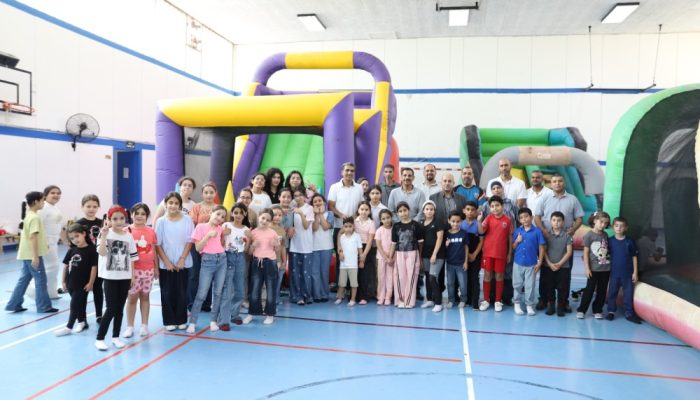
On 5 July 2026, Al-Balqa Applied University launched its Summer Club for Employees’ Children, organized by the University Employees’ Club. The month-long programme provides a safe educational and recreational environment for children during the summer holiday, offering a variety of activities, including sports, arts and creative workshops, cultural and recreational events, competitions, and interactive awareness activities. This demonstrates the use of the University’s facilities for organized sports and recreational activities for children. However, as the programme is specifically designed for employees’ children and took place in 2026, it does not, by itself, establish that sports facilities were shared with the wider local community during the 2025 reporting year.
Development of Sports Facilities
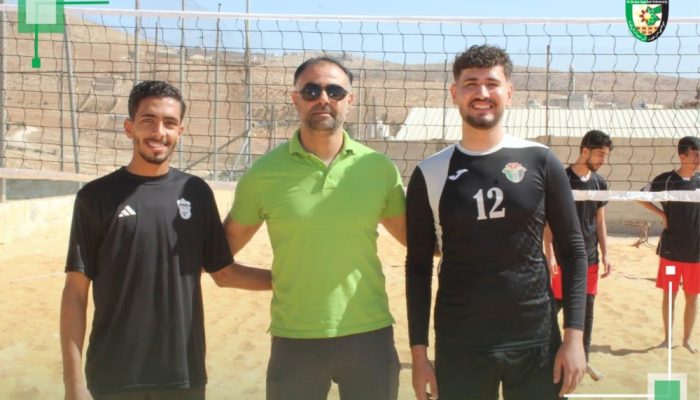
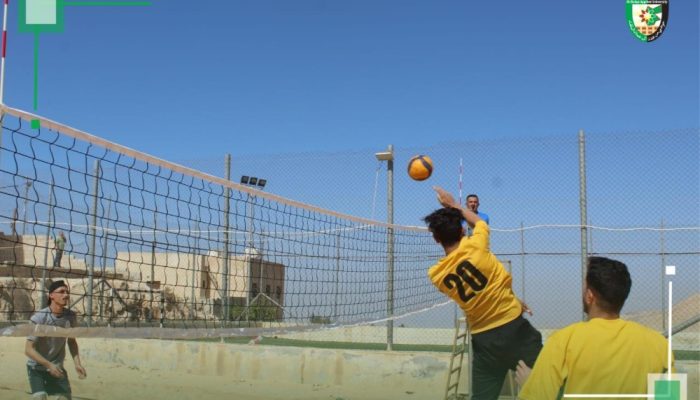
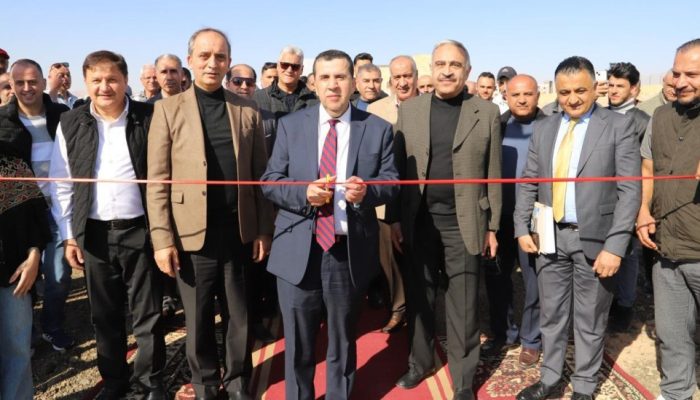
BAU maintains sports facilities and supporting infrastructure across its campuses, managed through the relevant university departments, including the Deanship of Student Affairs, to support sports programmes, physical activity, recreation, and engagement. These facilities provide the infrastructure needed for university sports programmes, tournaments, organized activities, and participation involving the University and its surrounding community. As part of its ongoing efforts to develop sports infrastructure. On 14 January 2025, the University inaugurated a beach volleyball court at Aqaba University College and announced plans to rehabilitate a five-a-side football pitch.
BAU continues to develop and upgrade its sports infrastructure across its campuses to support physical activity, recreation, and local community engagement. As part of these efforts, the University inaugurated the renovated sports hall at Princess Alia University College following rehabilitation works costing JOD 280,000. This investment reflects BAU’s commitment to improving its sports facilities and enhancing the university environment. However, the inauguration and rehabilitation of the sports hall demonstrate infrastructure development but do not, by themselves, confirm that the facility was shared with the local community or made accessible to the public.
Hosting Inter-University Sports Competitions
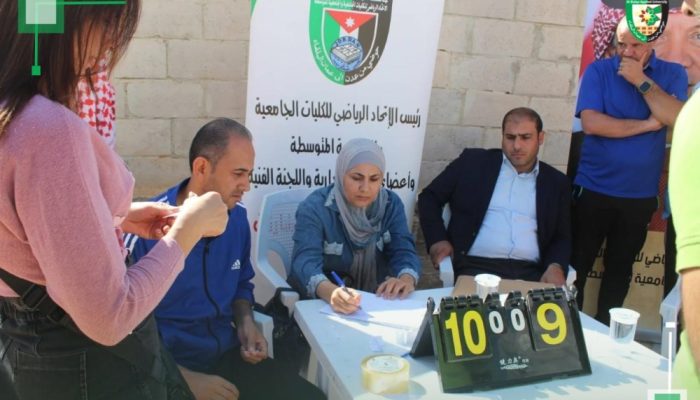
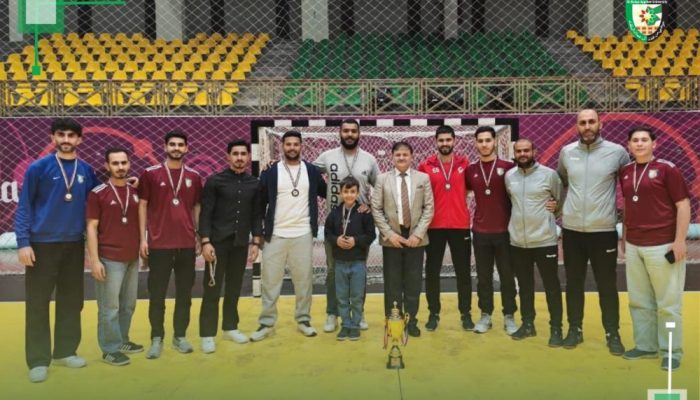
On 28 October 2025, the University hosted the launch of the 21st sports tournament of the Federation of University and Intermediate University Colleges, with students from colleges across Jordan participating. This demonstrates the use of the University’s facilities for sporting activities involving educational institutions. However, it does not, by itself, establish that the facilities were accessible to the wider local community.
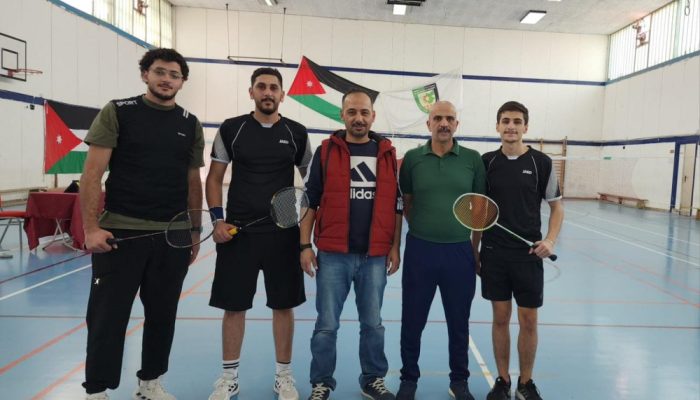
On 12 January 2025, Al-Balqa Applied University hosted the closing ceremony of the “Loyalty to the Leader” sports tournament, organized by the Federation of University and Intermediate University Colleges at the sports grounds of Aqaba University College. The tournament brought together students from 20 colleges representing the public, military, and private sectors, competing in five-a-side football, table tennis, basketball, badminton, and beach volleyball. This demonstrates the use of BAU’s sports facilities for sporting activities involving students from multiple educational institutions across Jordan. However, it does not, by itself, establish that the facilities were accessible to the wider local community.